英语
英语 西班牙语
西班牙语 简体 中文.
Branchennachrichten
Heim / Nachrichten / Branchennachrichten / Vertical or Horizontal Packing Machine: Which One Is Actually Right for Your Production Line?
The fundamental distinction between vertical and horizontal packing machines lies in the orientation of the packaging process and the way product is fed into the machine. A vertical form fill seal (VFFS) machine forms a bag from a flat roll of film, fills it from above using gravity or a volumetric dosing system, and seals the package — all in a continuous vertical motion. A horizontal form fill seal (HFFS) machine, by contrast, forms the package and seals the product along a horizontal plane, typically using a conveyor to feed product into preformed pockets or flow wrap film. This difference in orientation is not merely mechanical; it determines which products can be packaged, at what speeds, in what package formats, and with what level of product protection.
Choosing between the two is one of the most consequential equipment decisions a packaging line manager or business owner can make. An unsuitable machine creates bottlenecks, damages fragile products, limits package presentation options, and ultimately increases per-unit packaging costs. The right machine, matched to the product's physical characteristics and the business's throughput requirements, delivers consistent output with minimal downtime and waste. Understanding how each type works in practice — not just in theory — is the starting point for making that decision well.
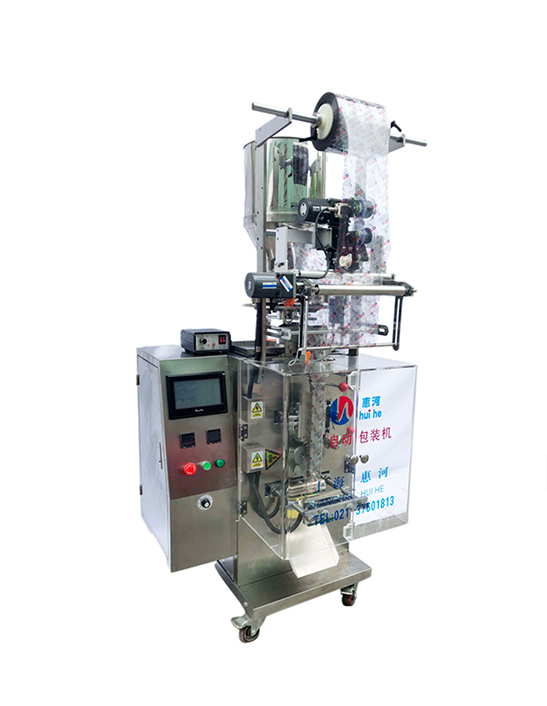
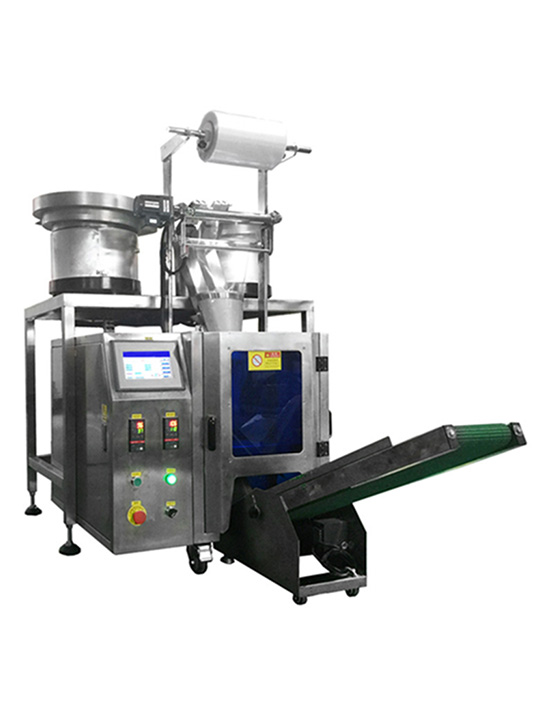
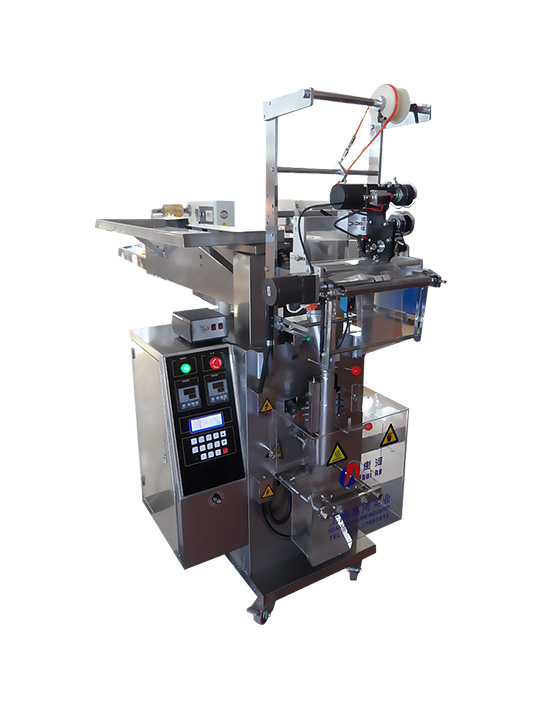
A vertical form fill seal machine begins with a roll of flat packaging film — typically polyethylene, laminate, or multilayer barrier film — that is pulled over a forming collar and shaped into a tube. A vertical fin seal or lap seal joins the film edges to create the tube's back seam, and a set of horizontal sealing jaws creates the bottom seal of the package. Product is then dispensed into the open tube from above, after which the jaws seal the top of the filled package and simultaneously create the bottom seal of the next package in the sequence. The filled package is cut free and drops onto a discharge conveyor or directly into a carton.
This process is inherently well-suited to free-flowing products that can be dispensed by gravity or auger into a vertical opening: granules, powders, frozen vegetables, snack foods, coffee, sugar, rice, pet food, and small hardware components are among the most common applications. VFFS machines are the dominant format in snack food packaging, confectionery, and frozen goods precisely because these products can be metered accurately into a vertical stream without damage. High-speed VFFS lines for simple pillow-bag formats can reach 100 to 200 packs per minute depending on the product and bag size, making them one of the most productive packaging formats available for qualifying products.
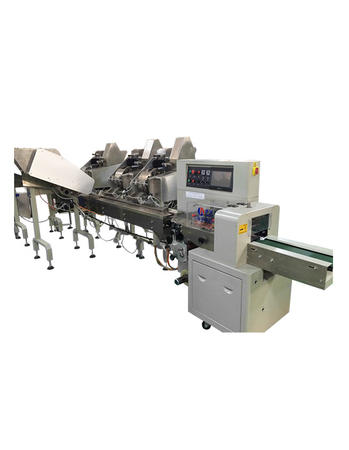
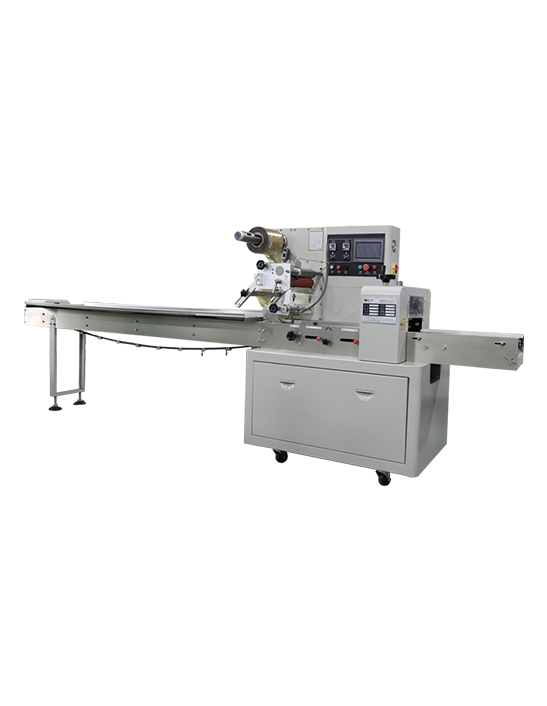
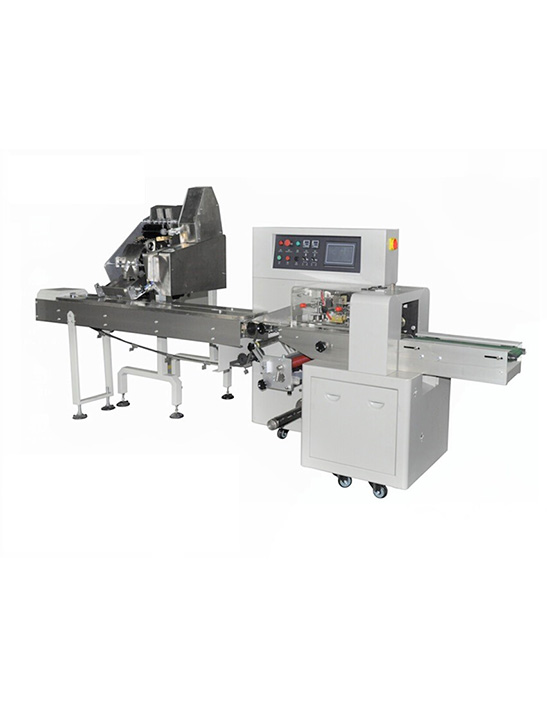
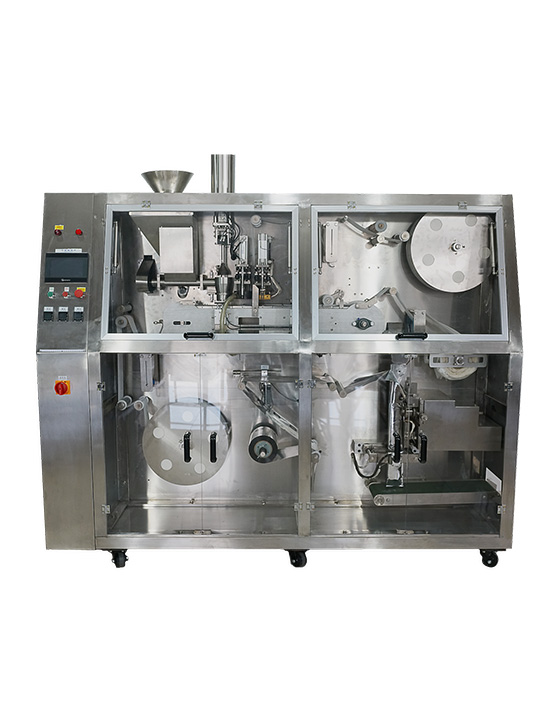
Horizontal packing machines move both the product and the packaging film along a horizontal plane. In a flow wrap configuration — the most common horizontal format — a continuous roll of film is formed around a horizontal forming box, and products are fed onto a lug or conveyor belt that pushes them into the film tube. Fin seals close the sides of the pack, and cross-seal jaws seal and cut the ends as the product travels through, producing a tightly wrapped package that conforms closely to the product's shape. In thermoform-fill-seal horizontal machines, a lower web of film is heated and formed into pockets, product is loaded into the pockets, and an upper film web is sealed over the top before the packages are cut apart.
Horizontal machines excel with products that cannot tolerate the drop height or vertical orientation inherent in VFFS machines. Solid, discrete items that must be presented individually — chocolate bars, biscuits, medical devices, bakery products, fresh produce trays, and ready meals — are natural fits for horizontal flow wrap or thermoform packaging. The product is placed gently onto the infeed conveyor and travels through the sealing zone without being inverted or dropped, which preserves the integrity of fragile items and maintains the presentational quality of products where appearance is important at point of sale.
| Factor | Vertical (VFFS) | Horizontal (HFFS / Flow Wrap) |
| Best product type | Free-flowing granules, powders, small solids | Solid, fragile, or shaped discrete items |
| Floor space | Compact vertical footprint | Larger horizontal footprint |
| Throughput speed | Very high (up to 200+ ppm) | Moderate to high (up to 150 ppm) |
| Product handling gentleness | Moderate — product drops into bag | High — product conveyed horizontally |
| Pack formats available | Pillow, gusseted, stand-up pouch | Flow wrap, tray seal, thermoform, VSP |
| Capital cost (entry level) | Lower | Moderate to higher |
| MAP / vacuum capability | Limited | Excellent with thermoform format |
| Changeover complexity | Moderate — forming collar swap | Moderate to high — tooling changes |
The comparison table provides a useful framework, but the final decision requires evaluating factors specific to your production environment, product range, and commercial goals. Several questions consistently emerge as the most decisive in practice.
What is the physical nature of your product? This is always the first filter. If your product cannot flow freely or would be damaged by a drop of 200–400mm into a bag, a vertical machine is immediately inappropriate regardless of its speed or cost advantages. Conversely, if your product is a bulk granular material with no structural integrity requirements, the additional cost and floor space of a horizontal machine delivers no benefit that justifies the investment.
What are your packaging format requirements? If your retail buyer requires thermoformed trays with printed lidding film, a VFFS machine cannot deliver that format. If your product sells in pillow bags that are stacked in shipping cases, a flow wrap machine adds complexity and cost that a VFFS machine handles more efficiently. Packaging format requirements from retailers and brand guidelines often narrow the decision before operational factors even come into play.
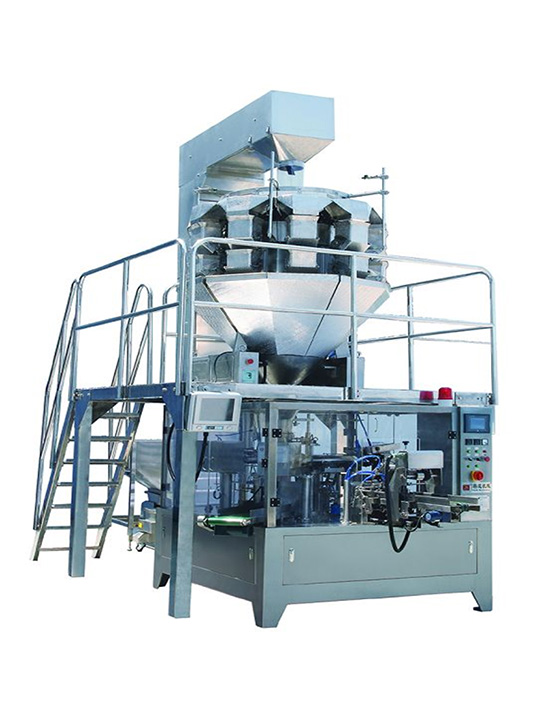
What is your available floor space and ceiling height? VFFS machines are tall — a high-speed machine with an integrated multihead weigher can stand 3.5 to 4.5 metres — but their floor footprint is small. Horizontal machines spread across the floor and require longer clear runs for infeed and discharge. Businesses in low-ceiling facilities or with limited linear run space may find one format inherently impractical.
Some businesses find that neither machine type fully meets their needs in isolation. A producer of fresh ready meals, for example, may use a horizontal thermoform machine for individual meal trays and a VFFS machine on a parallel line for side-dish sachets or sauce pouches. Rather than forcing both products through an unsuitable single machine, operating two purpose-matched lines often produces better overall efficiency even accounting for the higher capital outlay and additional maintenance demands.
Secondary packaging is another area where the two formats often work together rather than compete. A VFFS machine produces primary pillow bags of snack food at high speed; a horizontal cartoner or flow wrap machine then groups those bags into retail multipacks or shelf-ready cases. In this configuration, the choice is not vertical versus horizontal but rather which machine performs which stage of the packaging sequence most effectively. Mapping your full packaging process from primary pack to shipping case before evaluating machine options prevents the common mistake of optimising for one stage while creating inefficiencies elsewhere in the line.
Copyright © Soontrue Huihe Automation Equipment (Shanghai) Co.,LtdAlle Rechte vorbehalten.